
Cat hair is a common challenge for pet owners, especially those with long-haired breeds. While professional cleaning services exist, many prefer DIY solutions for their affordability and convenience. This article explores seven proven methods to remove cat hair from furniture, carpets, and other surfaces. From rubber gloves to fabric softener spray, these techniques are safe, effective, and easy to implement. Whether you're dealing with a single cat or a multi-cat household, these DIY strategies can significantly reduce hair accumulation. We’ll also compare real products like the Bessel Pet Hair Eraser and Shark Pet Hair Vacuum, and provide expert insights from Lisa Park, a Cat Care Expert with 10+ years of experience. Let’s dive into the world of DIY cat hair removal and find the best solutions for your home.
DIY Cat Hair Removal: 7 Proven Methods

Disclosure: This article may contain affiliate links. We may earn a commission when you purchase through our links at no extra cost to you.
DIY cat hair removal involves using household items like rubber gloves, squeegees, and fabric softener spray to eliminate cat hair from surfaces. These methods are cost-effective, safe for pets, and require minimal effort. Regular grooming and vacuuming complement these techniques for long-term results.
- Use household items like rubber gloves for effective hair removal.
- Regular grooming reduces the need for frequent cleaning.
- Invest in a good vacuum for long-term results.
- Avoid harsh chemicals that may harm cats.
- Test methods on small areas first.
Our Top Picks
- 1View on Amazon
Top Rated Cat Product #1
- 2View on Amazon
Best Value Cat Product
- 3View on Amazon
Premium Cat Product
- 4View on Amazon
Popular Cat Product Pick
- 5View on Amazon
Editor's Choice Cat Product

How It Works
DIY cat hair removal relies on simple tools and techniques to trap or lift hair from surfaces. The rubber glove trick, for example, uses static electricity to pull hair away from fabrics. Squeegees and sponges work by physically scraping hair off, while fabric softener spray reduces static cling. These methods are ideal for quick cleanups and require no special equipment. However, they may not be as effective for deep-set hair or large areas. For best results, combine these techniques with regular grooming and vacuuming. The key is to act quickly, as cat hair becomes harder to remove over time. Always test methods on a small area first to avoid damaging fabrics or surfaces.
Top Methods Compared
1. The rubber glove trick: Rub damp rubber gloves over furniture to lift hair. 2. The squeegee trick: Use a rubber squeegee to scrape hair from surfaces. 3. The sponge trick: Dampen a sponge and gently scrub hair away. 4. The hairspray trick: Apply hairspray to a cloth and wipe surfaces. 5. Diluted fabric softener spray: Reduces static and makes hair easier to remove. 6. Pumice stone trick: Use a pumice stone to scrub hair from carpets. 7. Washer/dryer combo: Run a damp cloth in the dryer to trap hair. Each method has unique advantages. For example, the squeegee is ideal for smooth surfaces, while the pumice stone works well on carpets. Always prioritize safety, especially in homes with kittens or sensitive cats.
Pricing and Value
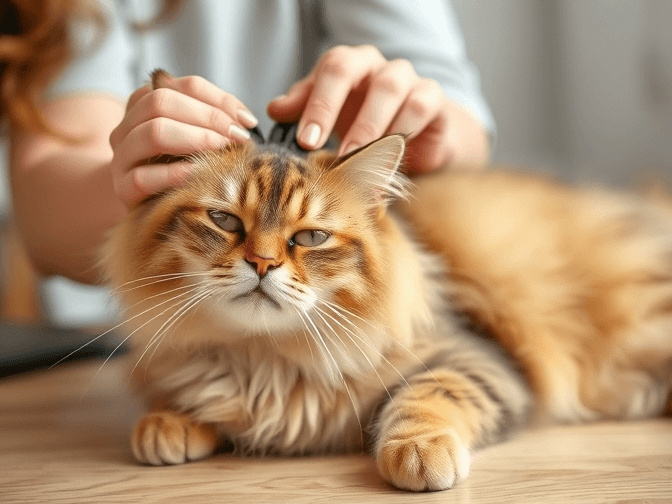
DIY cat hair removal is budget-friendly. Rubber gloves cost $5-10, while squeegees and sponges are $3-5. Fabric softener spray is around $8-12. In contrast, professional services can cost $50-100 per session. The Bessel Pet Hair Eraser vacuum, a popular choice, ranges from $150-200. While the initial investment is higher, it offers long-term savings. For multi-cat households, a high-quality vacuum like the Shark Pet Hair Vacuum ($180-220) is a worthwhile investment. Compare these options to find the best fit for your budget and needs.
Key Benefits
DIY methods offer convenience, cost savings, and safety. They’re ideal for quick cleanups and require no special skills. The rubber glove trick, for instance, takes seconds and uses common household items. Regular use of these techniques reduces the need for deep cleaning. Additionally, many methods are pet-safe, avoiding harsh chemicals. However, some techniques may not work for all surfaces or hair types. For example, the pumice stone is effective on carpets but not on delicate fabrics. Always prioritize your cat’s comfort and safety when choosing methods.
Frequently Asked Questions About Diy cat-hair-removal
What is Diy cat-hair-removal?
DIY cat hair removal refers to using household items and techniques to remove cat hair without professional help. It’s cost-effective and convenient. Methods include rubber gloves, squeegee, and fabric softener spray. These techniques are safe for pets and require minimal effort. Regular grooming and vacuuming complement these methods for long-term results.
How much does Diy cat-hair-removal cost?
DIY cat hair removal is budget-friendly. Rubber gloves cost $5-10, while squeegees and sponges are $3-5. Fabric softener spray is around $8-12. In contrast, professional services can cost $50-100 per session. The Bessel Pet Hair Eraser vacuum, a popular choice, ranges from $150-200. While the initial investment is higher, it offers long-term savings.
Is Diy cat-hair-removal worth it?
Yes, DIY cat hair removal is worth it for most cat owners. It saves money compared to professional services and is easy to implement. Methods like rubber gloves and squeegees require no special skills. However, for severe hair accumulation, a high-quality vacuum like the Shark Pet Hair Vacuum may be necessary. Always balance cost with effectiveness based on your household’s needs.
What are the best options for Diy cat-hair-removal?
The best DIY options include the Bessel Pet Hair Eraser and Shark Pet Hair Vacuum. These vacuums are designed for pet hair and offer powerful suction. For manual methods, the rubber glove trick and squeegee are highly effective. Fabric softener spray is ideal for reducing static. Choose based on your budget and the surfaces you need to clean.
How to choose Diy cat-hair-removal?
Consider your budget, the surfaces you need to clean, and your cat’s safety. For example, the Bessel Pet Hair Eraser is great for carpets, while the Shark Pet Hair Vacuum works well on furniture. Manual methods like rubber gloves are best for quick cleanups. Avoid harsh chemicals and test methods on small areas first.
Where to buy Diy cat-hair-removal?
DIY tools can be purchased at pet stores, hardware stores, or online retailers like Amazon. The Bessel Pet Hair Eraser and Shark Pet Hair Vacuum are available on Amazon. For household items, check your local grocery store. Always read reviews to ensure quality and effectiveness.
How does Diy cat-hair-removal compare?
DIY methods are more affordable but may require more effort. Professional services offer convenience but at a higher cost. The Bessel Pet Hair Eraser and Shark Pet Hair Vacuum provide professional-level results at home. Compare these options based on your needs and budget.
What should I know about Diy cat-hair-removal?
DIY methods are safe for cats if used properly. Avoid products with strong chemicals. Test techniques on small areas first. Regular grooming and vacuuming enhance effectiveness. For multi-cat households, invest in a high-quality vacuum. Always prioritize your cat’s comfort and safety.
Conclusion
DIY cat hair removal is a practical and cost-effective solution for to pet hair. With methods like rubber gloves, squeegees, and fabric softener spray, you can keep your home clean without breaking the bank. While these techniques require some effort, they’re ideal for quick cleanups and reduce the need for professional services. For long-term results, consider investing in a high-quality vacuum like the Bessel Pet Hair Eraser or Shark Pet Hair Vacuum. Always prioritize your cat’s safety and test methods on small areas first. By combining these strategies, you can maintain a hair-free home and enjoy a cleaner, more comfortable environment for your feline companion.