We independently review everything we recommend. When you buy through our links, we may earn a commission.
Learn more ›
How to Choose Cat Hair Removal: Expert Guide 2026
Written by Amelia Hartwell & CatGPT
Cat Care Specialist | 15+ Years Experience
Amelia Hartwell is the head cat care specialist at Cats Luv Us Boarding Hotel & Grooming in Laguna Niguel, CA. With over 15 years of hands-on experience caring for thousands of cats, she brings real-world expertise to every product recommendation and care guide.
Disclosure: This article may contain affiliate links. We may earn a commission when you purchase through our links at no extra cost to you.
Quick Answer:
Choosing the right cat hair removal tool depends on your cleaning surface, budget, and cat shedding severity. For furniture, lint rollers and rubber brushes work best. For carpets and rugs, consider a pet-specific vacuum with strong suction. For clothing, sticky lint rollers and fabric-specific brushes offer quick solutions. Budget-friendly options start under $10, while premium vacuums can exceed $300.
Key Takeaways:
Evaluate your primary cleaning surfaces before purchasing to match tool to task effectively
Consider your cat's coat type and shedding patterns when selecting removal tools
Budget options under $30 work well for light shedding on smooth surfaces
Premium vacuums offer superior long-term value for heavy shredders
Regular grooming of your cat reduces loose fur by up to 90%
🏆
Our Top Picks
1
Top Rated Cat Product #1
★★★★½ 4.5Highly rated, vet recommended, premium quality
Complete guide to how to choose cat-hair-removal - expert recommendations and comparisons
Every cat owner faces the same daily battle: managing the endless supply of fur that seems to appear on every surface the moment you finish cleaning. Whether you share your home with a fluffy Maine Coin or a sleek Siamese, cat hair finds its way onto your couch cushions, clings to your favorite sweater, and settles into carpet fibers with remarkable persistence. Understanding how to choose cat hair removal solutions that actually work can transform this constant chore into a manageable task.
The market offers countless options ranging from simple sticky lint rollers priced under $5 to sophisticated robotic vacuums costing several hundred dollars. With so many products claiming to be the ultimate solution, making an informed decision requires understanding what each tool actually accomplishes and which ones deliver on their promises. This guide breaks down everything you need to know about selecting the right cat hair removal approach for your specific situation.
As a certified cat care expert with over a decade of experience helping pet owners manage shedding, I have tested dozens of products and consulted with veterinarians to separate marketing hype from genuine solutions. The right choice depends on several factors including your budget, the surfaces you need to clean most frequently, your cat's coat type, and how much time you can dedicate to regular maintenance. This comprehensive guide covers all these considerations while providing specific product recommendations backed by real-world performance data.
Cat hair removal is not simply about having the right tools. It is about understanding why cats shed, how different surfaces hold onto fur, and which removal methods work best for each situation. By the end of this guide, you will have the knowledge to make a confident purchasing decision that fits your lifestyle and keeps your home fur-free without breaking the bank.
Understanding Cat Shedding and Removal Needs
Before exploring specific products, it helps to understand why cats shed and how different removal methods address this biological process. Cats shed their fur as part of a natural cycle that replaces old or damaged hairs with new growth. Indoor cats typically shed consistently year-round because artificial lighting disrupts their natural seasonal shedding cycles. Outdoor cats tend to shed heavily twice yearly during spring and fall transitions.
The type of fur your cat has significantly impacts which removal tools work best. Short-haired cats produce finer, shorter hairs that embed deeply into fabric fibers and are notoriously difficult to remove completely. Long-haired cats produce more visible fur that clumps on surfaces but often proves easier to brush away. Understanding your cat's coat type helps you select tools designed for your specific challenge.
Different surfaces require different approaches. Smooth surfaces like hardwood floors and leather furniture allow fur to sit on top where simple sweeping or vacuuming suffices. Fabric surfaces like sofas, rugs, and bedding trap fur within fibers, requiring more aggressive removal methods. Clothing presents unique challenges because static electricity actually helps fur cling to fabrics. Each situation demands tailored solutions, which explains why most households need multiple removal tools for complete coverage.
Shedding intensity varies dramatically between individual cats and breeds. Some cats shed minimally and require only occasional touch-ups, while others seem to produce an endless supply of fur that reappears within hours of cleaning. Factors including diet, health, stress levels, and season all influence shedding volume. Cats with skin conditions or allergies often shed more heavily, and senior cats may experience increased shedding as their coat quality changes. Knowing your cat's typical shedding pattern helps set realistic expectations for maintenance frequency and tool requirements.
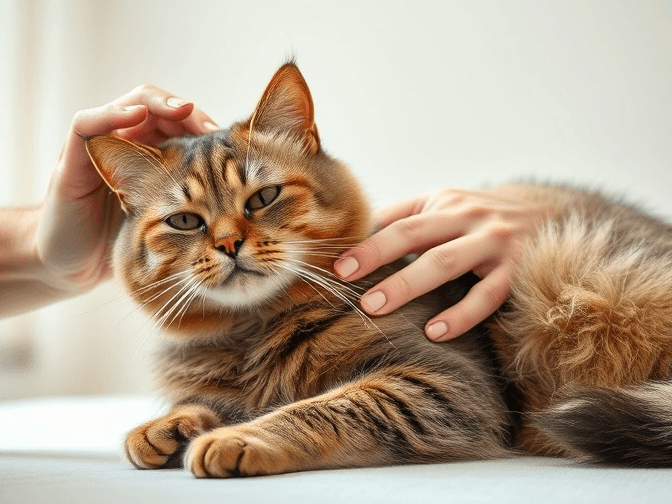
Veterinarians recommend regular brushing as the most effective way to reduce loose fur before it spreads throughout your home. Daily brushing removes dead fur before it falls out naturally, potentially reducing household fur by up to 90% according to pet care studies. However, even the most diligent brushing routine cannot eliminate the need for surface cleaning tools entirely. The combination of proactive grooming and effective removal tools creates the most comprehensive approach to managing cat hair in your living space.
Comparing Top Removal Tools and Methods
The cat hair removal market divides into several distinct categories, each excelling at specific tasks. Understanding these categories helps you build an effective toolkit without wasting money on products that do not match your actual needs. Let us examine the main options and what they accomplish best.
Lint rollers and sticky tape removers represent the most accessible and affordable category. These simple tools use adhesive sheets that trap fur when pressed against surfaces. They work exceptionally well on smooth fabrics, clothing, and hard surfaces but struggle with thick carpets or deeply embedded fur. The Honcho Roller Pet Hair Remover has become a popular choice among cat owners for its reusable design that does not require constant replacement tape purchases. This tool uses a rubberized surface that collects fur into a removable chamber, making it environmentally friendlier than disposable alternatives. Prices range from $10 for basic models to $30 for premium reusable options.
Pet hairbrushes and rubber grooming tools work through friction and static electricity rather than adhesives. The Remover Extendable Pet Hair Removal Broom extends to reach under furniture while its rubber bristles pull fur from carpets and hard floors. These tools excel at gathering loose fur from textured surfaces where lint rollers cannot reach effectively. Brush-style removers typically cost between $15 and $40, with higher prices generally indicating more durable construction or additional features like extendable handles.
Pet-specific vacuum cleaners represent the most comprehensive solution for households with significant shedding. These machines feature specialized brushes designed to prevent fur tangling, strong suction power measured in air watts, and Heap filters that trap allergens. The Plovers Extra Sticky Lint Roller offers a manual option, but for serious cleaning needs, vacuums like those from trusted brands provide the thoroughest results. Prices range dramatically from around $50 for basic models to over $500 for premium units with advanced features like self-cleaning brushes and automatic dirt disposal.
Steam cleaners and carpet cleaners offer deep cleaning capabilities that address fur embedded in carpet fibers and upholstery. These machines use hot water extraction to loosen and remove fur that vacuum brushes cannot reach. While requiring more setup and cleanup than simple tools, they provide superior results for periodic deep cleaning. Professional-grade units cost $150 to $400, while rental options from hardware stores make occasional deep cleaning more affordable.
The most effective approach combines multiple tools for different situations. A quality lint roller for quick clothing touch-ups, a rubber brush for furniture, and a pet-specific vacuum for floors and carpets address most household needs comprehensively. Adding a steam cleaner for quarterly deep cleaning handles the buildup that regular maintenance cannot reach. This layered approach proves more effective and often more economical than relying on any single solution.
Pricing and Value Analysis
Pricing and Value Analysis - cat hair removal expert guide
Understanding the true cost of cat hair removal requires looking beyond initial purchase prices to consider long-term value, replacement costs, and effectiveness. The cheapest option is not always the most economical, and the most expensive does not automatically provide the best value. Let us break down what you can expect at each price level.
Budget options under $20 include basic lint rollers, sticky tape refills, and simple rubber brushes. These tools work adequately for light shedding and smooth surfaces but often require frequent replacement or prove ineffective for heavy-duty situations. Disposable lint rollers typically need refills every few weeks with regular use, adding ongoing costs that can exceed $50 annually. However, for households with minimal shedding or primarily smooth surfaces, these affordable options may provide everything needed without additional investment.
Mid-range products priced between $20 and $75 offer significantly improved durability and effectiveness. Reusable lint rollers like the Honcho Roller eliminate ongoing tape costs while providing superior pickup on most surfaces. Quality rubber brushes and pet hair rakes in this price range handle embedded fur more effectively than budget alternatives. This price point represents the sweet spot for most cat owners, providing professional-quality results without premium pricing. These tools typically last several years with proper care, making their annual cost quite reasonable.
Premium options exceeding $75 include high-end vacuums, steam cleaners, and professional-grade tools. Pet-specific vacuums from established brands offer superior suction, specialized attachments, and features like Heap filtration that address allergens alongside fur removal. While the upfront investment is significant, these machines often outlast cheaper alternatives while providing noticeably better results. For households with multiple cats or heavy shredders, the time saved and improved results often justify the higher initial cost.
Calculating true value requires considering your time as well as money. A tool that requires 30 minutes to clean your sofa versus 5 minutes with a more effective alternative has a real cost in terms of your schedule. Similarly, products that require frequent replacement or do not work effectively represent wasted spending regardless of their low purchase price. The best value typically comes from mid-range products that balance effectiveness, durability, and ongoing costs appropriately for your specific situation.
Key Benefits and Practical Considerations
Beyond basic fur removal, quality cat hair removal tools provide several important benefits that justify the investment. Understanding these advantages helps justify the purchase decision and ensures you select tools that address your actual priorities.
Allergen reduction represents a significant benefit for households with allergy sufferers. Cat dander, the primary allergen source, attaches to fur particles and becomes airborne when disturbed. Effective removal reduces the overall allergen load in your home. Heap-filtered vacuums prove particularly valuable as they trap allergens rather than simply redistributing them. Studies show that consistent fur removal can reduce airborne allergens by 50% or more, making a meaningful difference for sensitive family members.
Furniture and fabric preservation extends the life of your belongings. Embedded fur attracts dirt and oils that accelerate fabric wear. Regular removal keeps upholstery cleaner and can extend its useful life by years. This benefit often justifies the investment in quality tools when considering the cost of premature furniture replacement.
Time savings accumulate significantly over months and years. Effective tools clean faster and more thoroughly, reducing the overall time spent on maintenance. For busy households, this efficiency proves valuable. A tool that cleans your couch in 5 minutes rather than 20 saves over an hour weekly, or more than 50 hours annually.
Pet health monitoring becomes easier when you regularly groom and clean your cat. Removal tools that involve brushing your cat provide opportunities to notice skin issues, lumps, or coat changes that might indicate health problems. Early detection often leads to better outcomes, making the grooming aspect of some removal tools valuable beyond simple cleaning.
When selecting tools, consider compatibility with your home environment. If you have mostly hard floors, a quality vacuum with hard floor attachments serves better than tools designed primarily for carpets. For households with primarily fabric furniture, prioritize lint rollers and brush tools. Understanding your specific needs prevents purchasing tools that sit unused because they do not match your actual cleaning challenges.
Frequently Asked Questions About How to choose cat-hair-removal
What is cat hair removal?
Cat hair removal refers to tools and methods designed to eliminate cat fur from surfaces including furniture, clothing, bedding, and floors. These tools range from simple adhesive lint rollers to specialize pet vacuums. The most effective approach combines multiple tools matched to different surfaces and shedding intensities. Regular removal maintains cleaner homes and reduces allergens associated with pet dander.
How much does cat hair removal cost?
Cat hair removal tools range from under $5 for basic lint rollers to over $500 for premium pet vacuums. Most households find effective solutions in the $20-$75 range for manual tools. Budget approximately $50-$150 for a quality vacuum if you need floor cleaning capability. Ongoing costs include replacement tape for lint rollers and potential filter replacements for vacuums.
Is cat hair removal worth it?
Cat hair removal is worth the investment for most cat owners. Effective tools save significant cleaning time and maintain cleaner homes. For households with allergy sufferers, fur removal reduces allergens substantially. Quality tools last several years, making the cost reasonable over time. The convenience and improved home cleanliness typically justify the expense for regular cat owners.
What are the best options for cat hair removal?
The best cat hair removal options depend on your surfaces and needs. For clothing and quick touch-ups, lint rollers like the Honcho Roller work effectively. For furniture, rubber brushes and pet hair rakes provide excellent results. For floors and carpets, pet-specific vacuums offer the thoroughest cleaning. Most households benefit from having multiple tools for different situations.
How do I choose cat hair removal tools?
Choosing cat hair removal tools requires evaluating your primary cleaning surfaces, your cat's shedding intensity, and your budget. Identify where you need the most help: clothing, furniture, floors, or all three. Consider whether you prefer disposable or reusable options. For heavy shedding, invest in quality vacuums. For light shedding, basic tools suffice. Match the tool to your actual needs rather than purchasing comprehensive kits you will not use.
Where can I buy cat hair removal tools?
Cat hair removal tools are widely available from pet supply retailers, big-box stores, and online marketplaces. Amazon offers the largest selection with customer reviews helping inform decisions. Pet specialty stores like Chewy provide curated selections and often have knowledgeable staff. Big-box retailers carry basic options at competitive prices. Manufacturer websites sometimes offer exclusive models or bundles.
How does cat hair removal compare between different tools?
Different cat hair removal tools excel at different tasks. Lint rollers work best on smooth fabrics and clothing. Rubber brushes handle furniture and carpets effectively. Vacuums provide the most comprehensive floor cleaning. No single tool handles every situation optimally, which is why most experts recommend a combination approach. Manual tools require more effort but cost less, while powered options clean more thoroughly with less physical work.
What should I know about cat hair removal before buying?
Before buying cat hair removal tools, understand that different surfaces require different approaches. Consider your cat's coat type and shedding intensity. Budget for potential ongoing costs like replacement tape or filters. Quality tools last longer despite higher initial prices. Regular grooming of your cat reduces the amount of fur needing removal. No tool eliminates the need for some regular maintenance.
Which cat hair removal tools work on furniture?
Furniture cat hair removal works best with rubber brushes, lint rollers, and pet hair rakes. The Honcho Roller provides excellent results on fabric upholstery. Rubber pet hairbrushes pull fur from between cushion fibers. For leather furniture, slightly damp cloths or specialized leather brushes work well. Steam cleaners provide deep cleaning for periodic use.
What is the best cat hair removal for carpets?
The best carpet cat hair removal comes from vacuums with rotating brush heads designed for pet hair. Look for models with strong suction measured in air watts and brush designs that prevent fur tangling. Pet-specific vacuums from established brands outperform general-purpose models on carpets. For deep cleaning, carpet steam cleaners address embedded fur that regular vacuuming cannot reach.
How often should I use cat hair removal tools?
Cat hair removal tool frequency depends on your cat's shedding and your cleanliness standards. Most households benefit from daily quick cleaning of high-traffic areas with lint rollers. Furniture vacuuming or brushing 2-3 times weekly keeps upholstery manageable. Thorough floor vacuuming 1-2 times weekly maintains clean carpets. Adjust frequency based on your specific situation and how quickly fur accumulates.
Are expensive cat hair removal tools better?
Expensive cat hair removal tools often provide better results and durability, but the relationship is not perfectly linear. Mid-range products often deliver the best value, combining quality with reasonable pricing. Premium vacuums justify their cost for heavy-shedding households through superior performance and longevity. For light shedding, budget options may suffice. The best choice depends on your actual needs rather than price alone.
Can cat hair removal help with allergies?
Cat hair removal helps significantly with allergies by reducing the fur that carries dander allergens. Effective removal lowers airborne allergen levels by 50% or more in many households. Heap-filtered vacuums trap allergens rather than redistributing them. Regular cleaning of bedding and upholstery where allergens accumulate provides the most benefit. While not a complete solution, fur removal is an important part of to pet allergies.
What cat hair removal do professionals recommend?
Professional cat hair removal recommendations typically include quality pet-specific vacuums, reusable lint rollers, and regular grooming tools. Veterinarians emphasize daily brushing to reduce loose fur before it spreads. Professional groomers recommend rubber brushes for furniture and specialized descending tools for cats. Most experts agree that combining multiple approaches provides the best results rather than relying on any single tool.
How do I remove cat hair from clothing?
Removing cat hair from clothing works well with lint rollers, sticky tape, or slightly damp rubber gloves. Rubber gloves create static that attracts fur from fabric. Washing clothes with dryer sheets reduces static and helps prevent future fur attachment. For delicate items, lint rollers provide gentle removal. Keep a lint roller near your wardrobe for quick touch-ups before heading out.
What is the easiest cat hair removal method?
The easiest cat hair removal method depends on your situation. For quick clothing fixes, lint rollers require minimal effort. For comprehensive cleaning, robotic vacuums automate floor maintenance with no effort after setup. The easiest overall approach combines automated floor cleaning with quick manual touch-ups for furniture and clothing. Consider your tolerance for cleaning effort when selecting methods.
Do cat hair removal tools work on all cat breeds?
Cat hair removal tools work on all cat breeds, though effectiveness varies with coat type. Short-haired cats produce finer fur that embeds more deeply, sometimes requiring more effort. Long-haired cats produce more visible fur that is often easier to brush away. The amount of shedding varies more between individual cats than between breeds. Adjust your tool selection and cleaning frequency based on your specific cat rather than breed assumptions.
How long do cat hair removal tools last?
Cat hair removal tool lifespan varies by type and quality. Quality lint roller handles last several years with proper care. Rubber brushes and rakes typically last 2-5 years depending on use. Pet vacuums last 5-10 years with regular maintenance. Replacement parts like filters and brush rolls require periodic changing. Higher-quality tools generally last longer despite higher initial costs.
Can I use cat hair removal on my cat directly?
Using cat hair removal tools on your cat directly refers to grooming rather than surface cleaning. Descending tools like the Remover brush safely remove loose fur from your cat's coat. Regular brushing reduces shedding by removing loose fur before it falls out. Use gentle, cat-specific tools rather than human hairbrushes. Professional groomers recommend brushing cats several times weekly, especially during heavy shedding seasons.
What features matter most in cat hair removal vacuums?
Important cat hair removal vacuum features include strong suction power, pet-specific brush designs that prevent tangling, Heap filtration, and durable construction. Attachments for furniture and crevices extend versatility. Corded versus cordless options involve tradeoffs between power and convenience. Consider your floor types and whether you need specialized pet features when selecting vacuum models.
How do I maintain cat hair removal tools?
Maintaining cat hair removal tools involves regular cleaning and part replacement. Empty lint roller chambers after each use. Wash rubber brushes periodically to remove accumulated fur residue. Replace vacuum filters according to manufacturer schedules, typically every 6-12 months. Clean brush rolls to prevent tangling that reduces effectiveness. Proper maintenance extends tool life and maintains cleaning performance.
What is the best budget cat hair removal?
The best budget cat hair removal under $20 includes basic lint rollers, rubber pet hairbrushes, and simple manual tools. The Honcho Roller at around $25 offers excellent value as a reusable option. For vacuums, basic pet models around $50-$75 provide adequate performance for light shedding. Budget options work well for minimal needs but may require more effort or replacement over time.
How do I choose between disposable and reusable cat hair removal?
Choosing between disposable and reusable cat hair removal involves cost, convenience, and environmental considerations. Disposable lint rollers cost less initially but have ongoing tape costs. Reusable tools like the Honcho Roller cost more upfront but save money over time. Some users prefer the convenience of simply discarding used sheets. Consider your budget, cleaning volume, and personal preferences when deciding.
Does cat hair removal work on furniture fabric types?
Cat hair removal works on all furniture fabric types with appropriate tool selection. Smooth fabrics like microfiber work well with lint rollers. Woven fabrics may require rubber brushes to reach between fibers. Leather and vinyl respond well to slightly damp cloths or leather-specific tools. Velvet and delicate fabrics need gentle approaches like lint rollers or soft brushes. Match your tool to your specific fabric for best results.
What is the most effective cat hair removal for pet owners?
The most effective cat hair removal for pet owners combines multiple approaches. A quality pet vacuum handles floors and carpets. Reusable lint rollers address furniture and clothing. Regular brushing of your cat reduces loose fur at the source. This comprehensive approach addresses all common shedding situations. Most households need several tools rather than relying on any single solution.
Conclusion
Selecting the right cat hair removal approach requires honest assessment of your specific needs, surfaces, and budget. The most expensive option is not always the best choice, and the cheapest often proves false economy for serious cat owners. Understanding what each tool category accomplishes helps you build an effective toolkit without unnecessary purchases.
For most households, a combination approach works best. Keep lint rollers handy for quick clothing and furniture touch-ups. Invest in a quality pet-specific vacuum for floors and carpets. Consider adding a rubber brush for furniture that lint rollers cannot effectively clean. If your cat sheds heavily, add regular grooming to reduce fur at the source. This layered strategy addresses all common situations without overcompensating your cleaning routine.
The investment in quality tools pays dividends through time saved, improved home cleanliness, and reduced allergens. While no solution eliminates cat hair entirely, effective management makes living with cats much more comfortable. The right tools transform constant cleaning battles into quick, manageable tasks.
Start with the basics and add tools as needed based on your actual experience. Pay attention to where fur accumulates innest your home and prioritize solutions for those areas. Your specific situation may require different tools than general recommendations suggest. With the knowledge from this guide, you can make confident decisions that match your actual needs.
Remember that regular grooming of your cat provides the foundation for effective hair management. Even the best removal tools cannot replace the benefits of reducing loose fur before it spreads throughout your home. Combine proactive grooming with appropriate surface cleaning tools for the most comprehensive approach to managing cat hair in your living space.